
Spice Shelf Life: How Long Do Dried Herbs and Spices Last?
Share
Herbs and Spices have been an essential part of human life for almost our entire existence. They are used not only to flavour and enhance food but to manufacture medicines and to fragrance soaps. There are thousands of uses for each and every spice and there are few things that can link together disparate parts of the globe the way that spices can.
Why do we dry Herbs and Spices?
This global connection is the key detail in why herbs and spices began being sold dried as opposed to fresh. The vast majority of the spices and herbs that we use in the UK are imported. According to an assessment by the Dutch Government, The United Kingdom: Strong preference,(+7.1%) rose significantly.) it is suggested that the UK imports around 77000 tonnes of spices a year. This is a lot!
And whats the biggest problem with the production and transportation of spices?
Expiry.
Fresh spices expire and become unusable.
So what does the industry do?
Dry them.
Drying Herbs & Spices
Food drying is not a modern innovation. The US National centre for home food preservation estimates that humans have been drying foods for 12000 years. In ancient times the sun, cases smoking them as well.
The basic process is that by removing the moisture from the foods they last longer as its harder for bacteria to develop. It’s an essential part of the spice trade and is an essential part of how we use spices in the UK.
Is there Room for Spices in British Cuisine?
One of the things we certainly have to admit is that British cuisine is not as spice focused as many other global cuisines. This is illustrated by the very funny sketch about how bland traditional British food is from Goodness Gracious Me.
Whilst this sketch of course exaggerates the bland element of traditional food like fish and chips, it’s safe to say that modern Britain is a bit more adventurous. It’s estimated that we import over 230 million chilli peppers a year. Hot news as Tesco's British, Caronlina Reaper Peppers are available for customers this summer. That’s more than 3 per person. Although I do think my grandma is probably letting the side down in terms of chilli eating so the consumption may be a bit less balanced than that.
The point of all of this in relation to the topic of this article is basically just to say that drying herbs and spices is an essential part of their usage and usability and on the whole doesn't affect their quality.
How to Store Dried Herbs & Spices
Healthline suggests most dried herbs and spices last around 1-4 years before they lose a significant enough amount of their flavour and aroma to be disposed of.
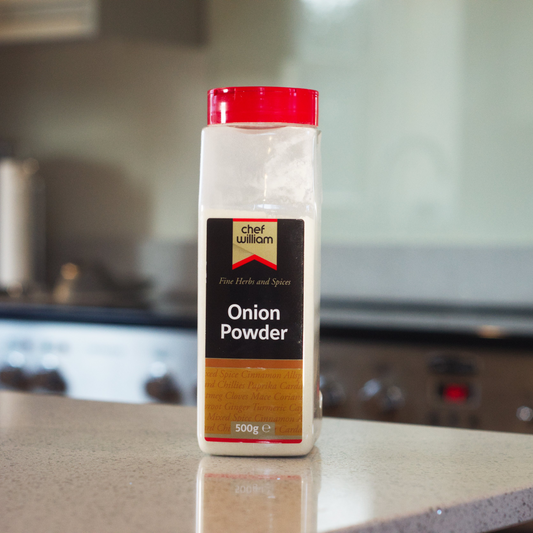
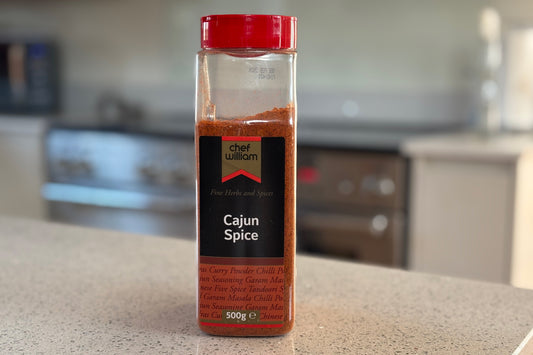
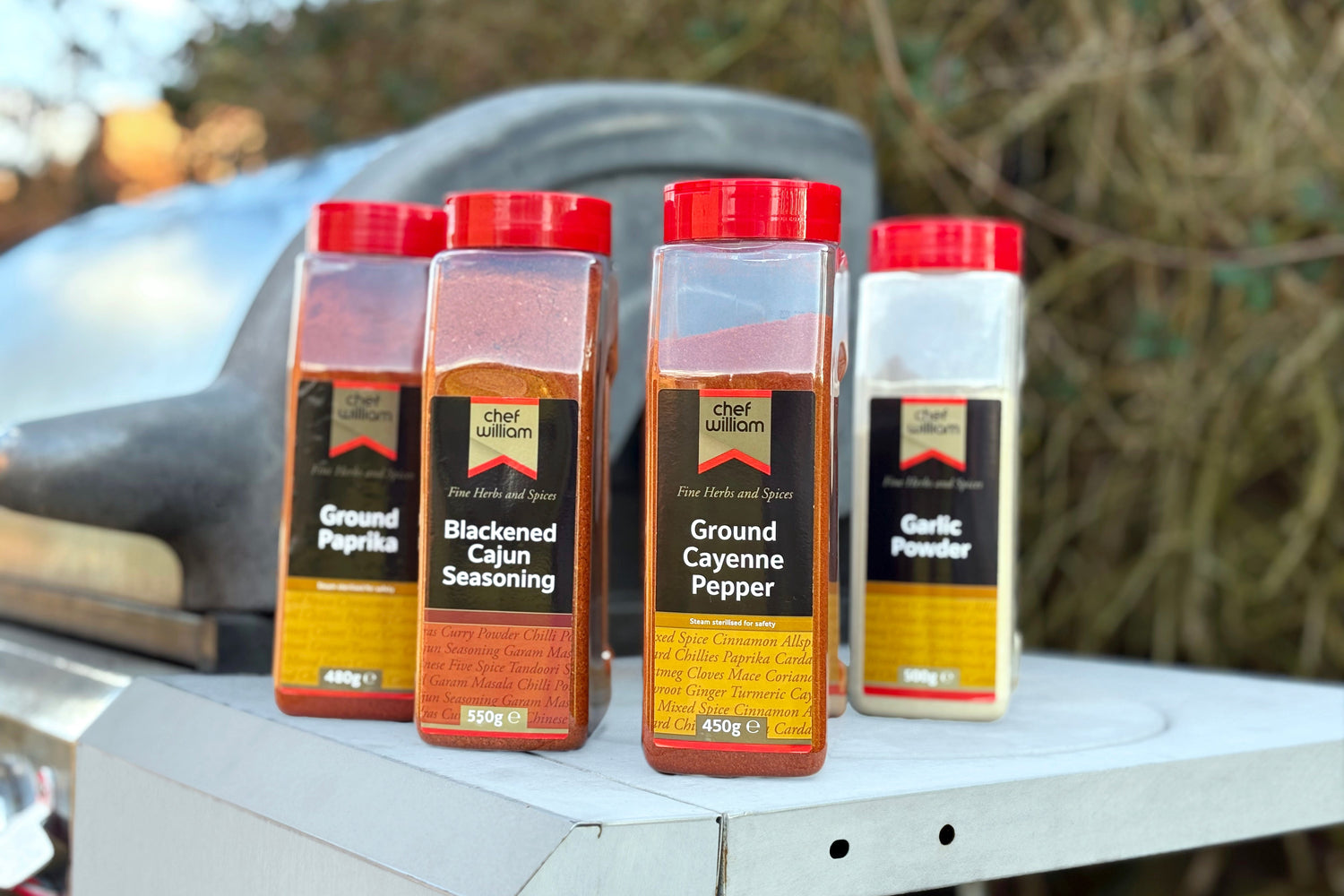
This loss is also attributed to storage methods. Flavour and aroma will be lost quicker if spices are stored in direct sunlight, so it is always recommended to store your dried herbs and spices in a cupboard to prolong their lifespan. It’s also recommended to try and keep your dried herbs and spices in an airtight container. The Chef William Pots that we sell on myspices.uk are all pretty well sealed but if you use a particularly herb or spice particularly infrequently, we recommend placing a tight layer of cling film over the top of the jar.
Is it OK to use my Herbs and Spices after their Best Before date?
This is a common question about dried herbs and spices!
The answer on the whole is yes. Most of the time they will be absolutely fine and there is likely to be no real loss in flavour either. The key thing to look out for is any clumping or a lumpy texture or condensation on the inside of the container. This can suggest the spices are sweating and moisture has gotten into the container and this introduces a small chance of bacteria growth. (https://www.healthline.com/nutrition/do-spices-expire#faq). If the container is still sealed it is fairly unlikely that the spices or herbs will deteriorate so it is recommended to leave them sealed until you plan to use them.
Overall the take aways from this blog is hopefully that drying herbs and spices is an essential part of the process of making them useable and useful in home kitchens.